As the Service95 Book Club turns three, we’re celebrating reading the world differently together, across 34 Monthly Reads handpicked by Dua, by taking a moment to reflect on how books can guide you through every twist and turn life can bring.
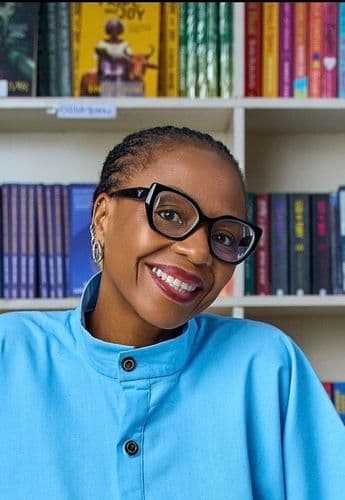
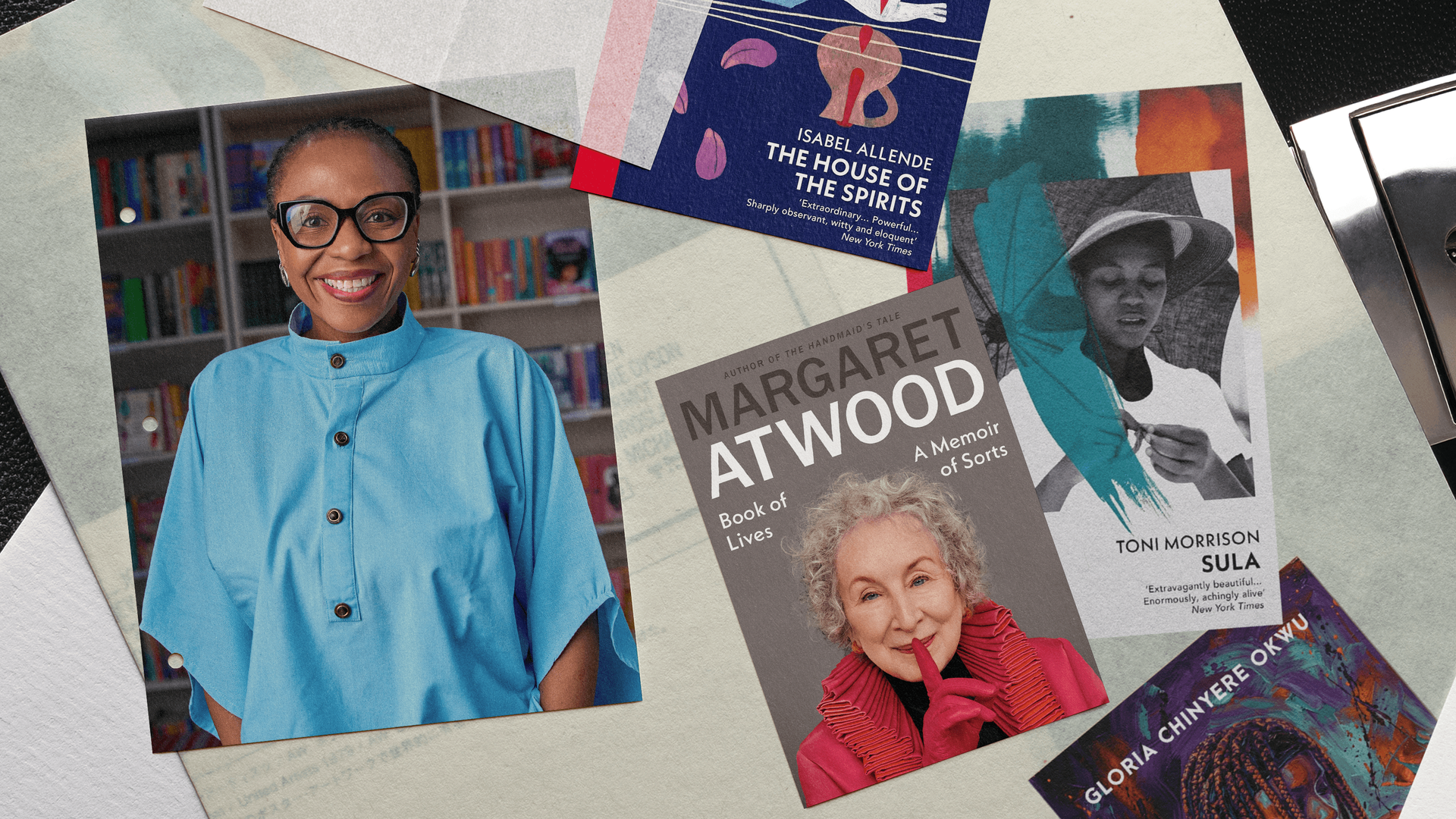
We’ve asked some literary friends of Service95 to share the books that capture specific decades in life, from your twenties to your sixties (and beyond). In this list, poet, novelist and publisher Lola Shoneyin, 52, notes the books that have stood out to her in her fifties.
It’s 6am and I am on my morning walk, enjoying the last few moments of Lagos when it’s still half asleep. I do this every day. And guard this time jealously. It has become the only time when I become one with an audiobook.
My life is built around books. On any given day, I move between publishing, bookselling, festival-making, writing and cultural advocacy. Each one demands attention. Each competes for space. But I am in my fifties now. Energy and exuberance are a valuable resource and my commitment is currency. I get to choose what is deserving of a second glance.
If anything, my fifties have taught me how important it is to serve myself; to prioritise me unapologetically. I no longer feel compelled to get bent out of shape over the things that people think or say about me. I am far more interested in what gives my life real meaning. There is a freedom that comes with recognising your strengths, accepting your limitations and understanding that you are closer to sunset than the unpredictability of beginnings.
Reading has always been part of how I make sense of the world. Books have accompanied me through every version of myself: the angst-ridden teenager, the ambitious young woman, the overwhelmed mother, the culture entrepreneur, the writer and now the woman who knows herself far better than she ever did.
These are five books that speak to me in my fifties. Some are about family, some about ambition, some about memory and survival. All of them reward the kind of reading that only comes with experience.
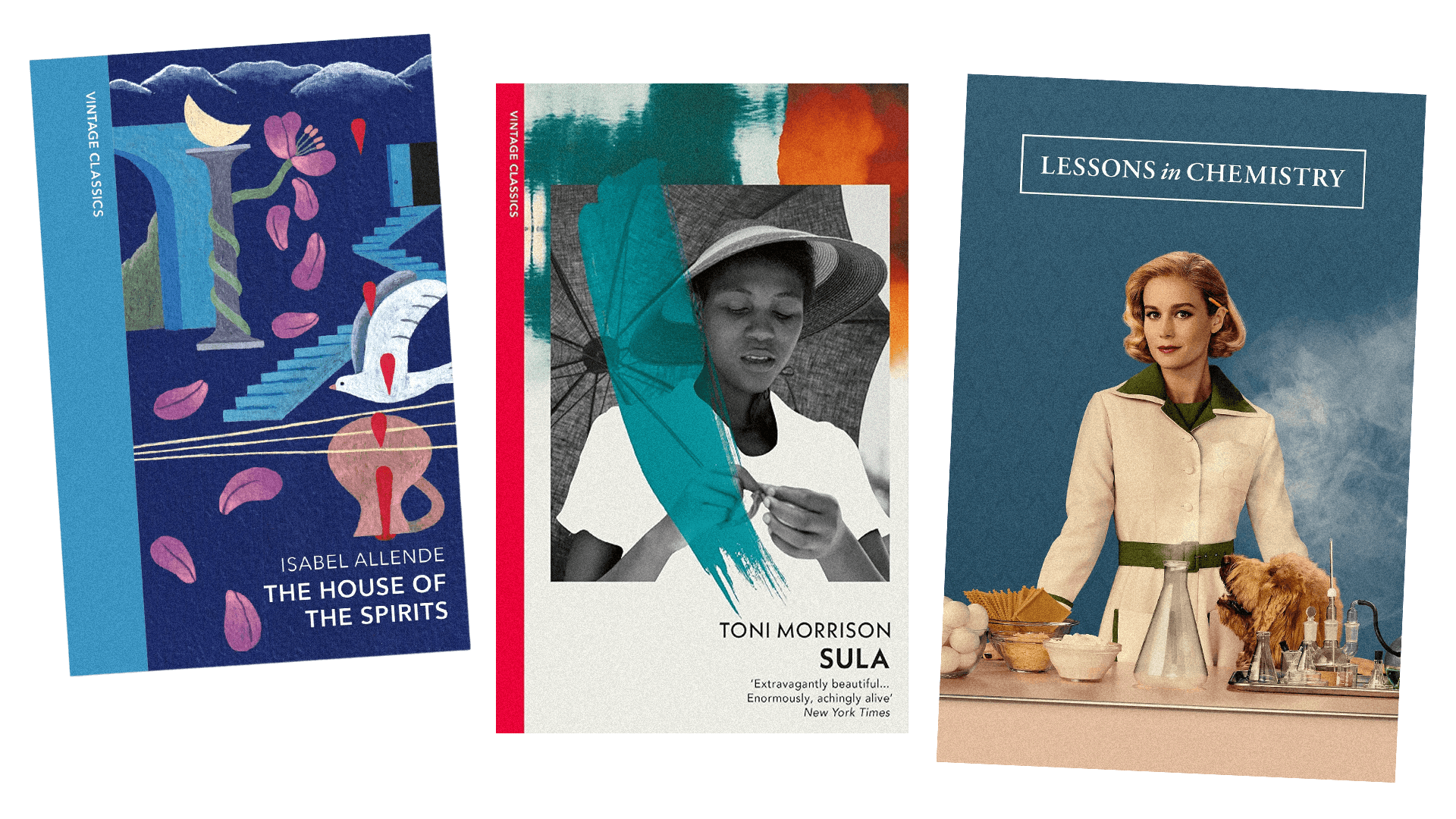
The House Of The Spirits by Isabel Allende
This is a novel about family, history and the long shadow of memory. It was in my fifties that I fully understood that I am an extension of the ancestors who watch over and guide me. Whether we like it or not, our lives are shaped by conflicts and passions we didn’t have a say in. But we are not just “God’s Bits Of Wood”, to borrow from Sembène Ousmane. Allende helps us understand that we have the power, and a duty to those who come after us.
Sula by Toni Morrison
When I first read Sula at nineteen, I admired it for its brilliance. In my fifties, I read it differently. I cherish this novel for its honesty and absence of judgement. Morrison is unflinching in her portrayal of friendship, womanhood and freedom. The novel is a reminder that people can be extremely complex, and how easily they hurt the people they love and, yet somehow, makes it comprehensible.
Lessons In Chemistry by Bonnie Garmus
I am slightly in love with [protagonist] Elizabeth Zott. She has the best markers of a neurodivergent adult who has the courage to love fiercely and grieve intensely, while rejecting everything society says about what is normal and acceptable. The older I get, the more I appreciate women who occupy space unapologetically. Told with humour and charm, this book explores ambition, and the cost of remaining true to yourself.
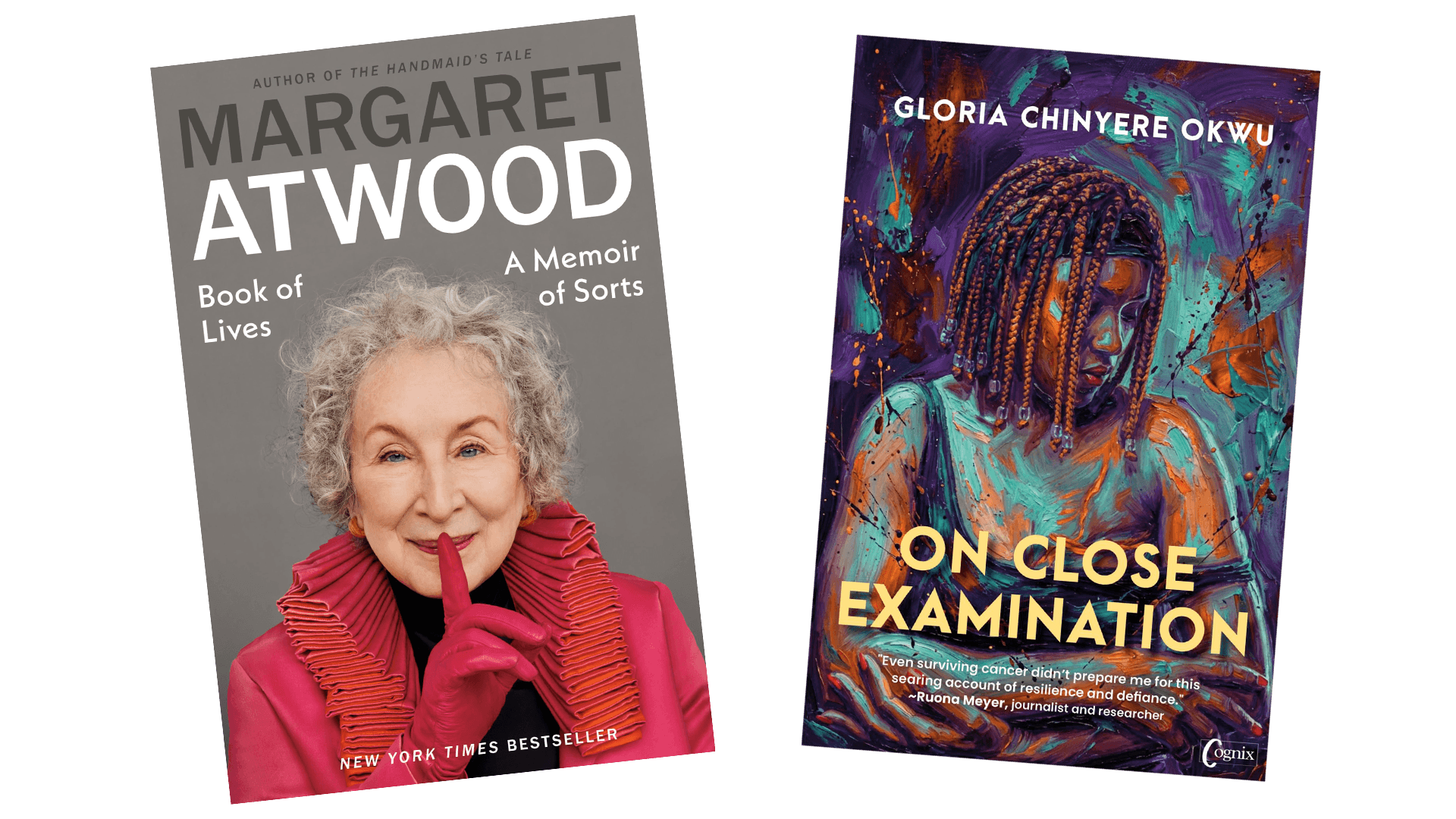
Book Of Lives by Margaret Atwood
Atwood reflects on writing, ageing, love, loss and survival with the sharp intelligence that has defined her extraordinary body of work. What was most significant to me was how clear-eyed she was in visiting her past. This model of unflinching honesty is so important for women. It is power. It is how the next generation learns from their mistakes, a reminder that we are not bound to nostalgia and regret.
On Close Examination by Gloria Okwu
This is a new book from our stable at Ouida Books [the Lagos-based publisher founded by Lola]. I love this memoir because it is the answer to the absence of cultural exegesis by African women. It was written with the accessibility of Maya Angelou’s I Know Why The Caged Bird Sings and just as unforgettable. The author spent the first three quarters of her life trapped in the clutches of harmful traditional beliefs, while being resigned to her powerlessness. Until she reclaims her life in a spectacular way, leaving us with an intimate and searing account of self-discovery.